
Hiraeth Oil Paintings: Memories of Home
Hiraeth is a series of intimate oil paintings by Maria Maneos exploring memory, longing, nature, and the emotional idea of home. The title comes from the Welsh word hiraeth, often used to describe a deep homesickness or yearning for a place that may be remembered, imagined, lost, or impossible to return to.
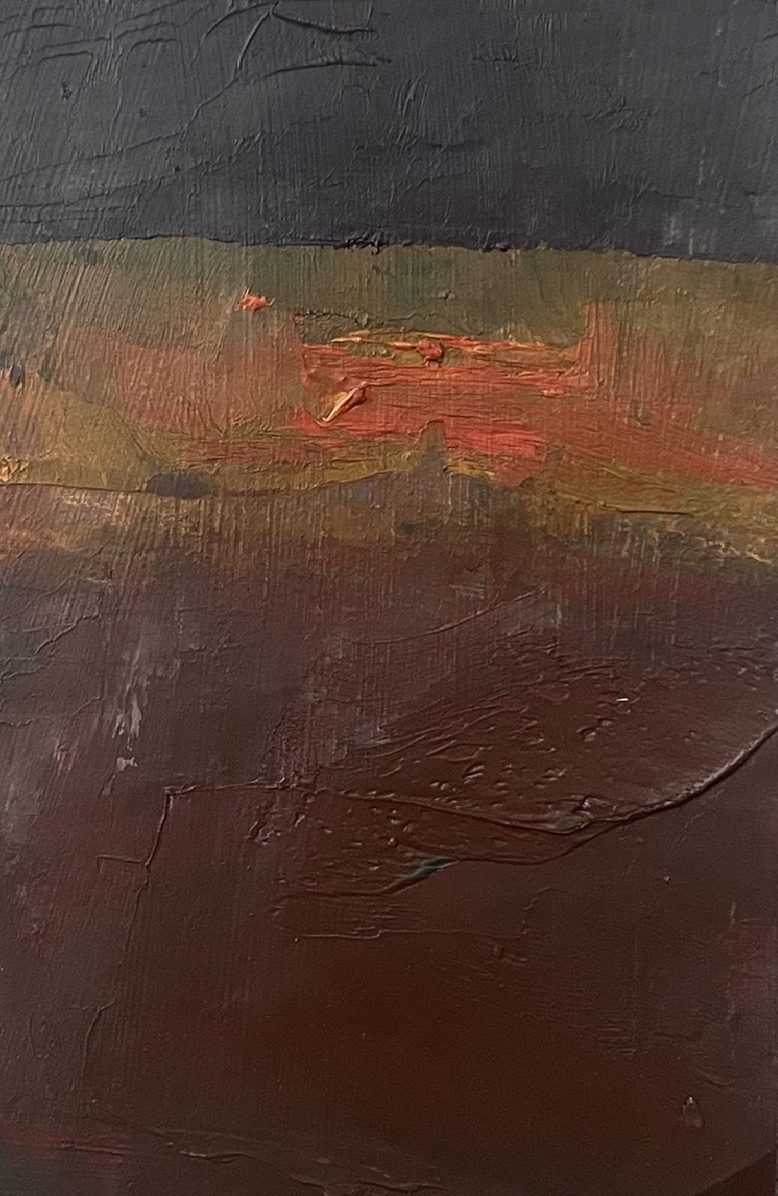
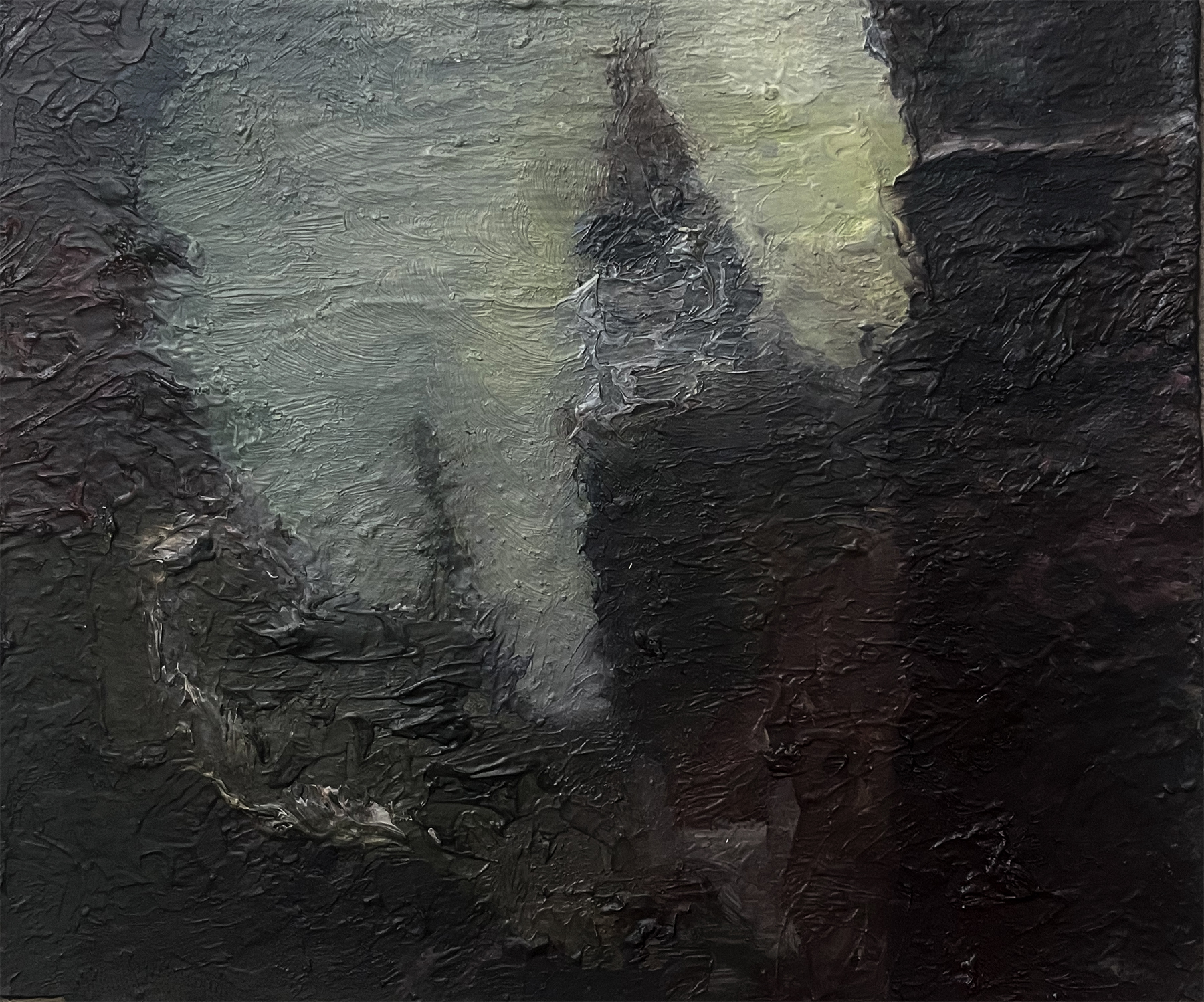
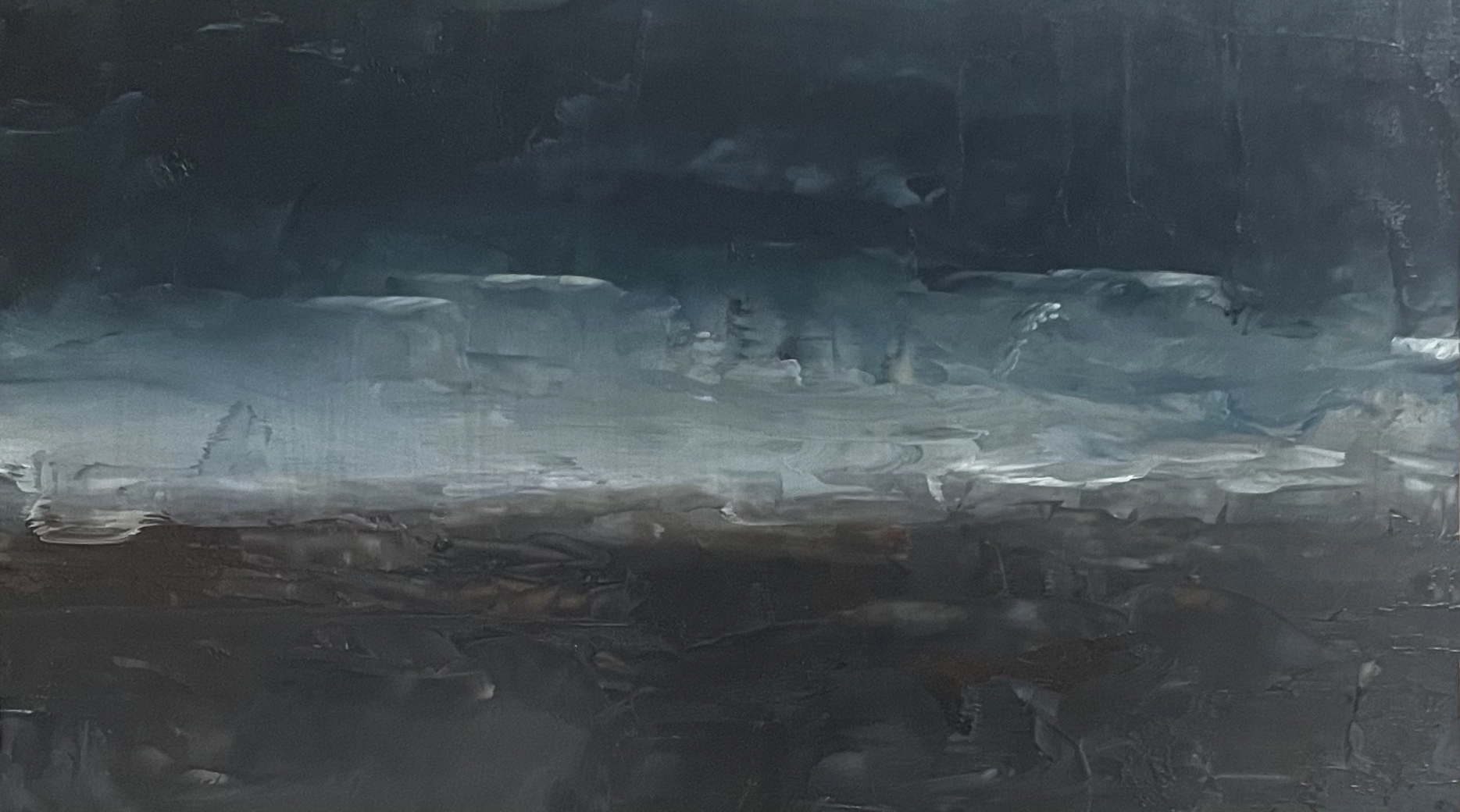
In this series, landscape becomes a space for feeling rather than a record of a specific location. Ponds, trees, grasses, shifting skies, and reflected light appear as fragments of memory. The paintings suggest places that feel familiar but remain slightly out of reach, echoing the way home can live inside us as both comfort and absence.

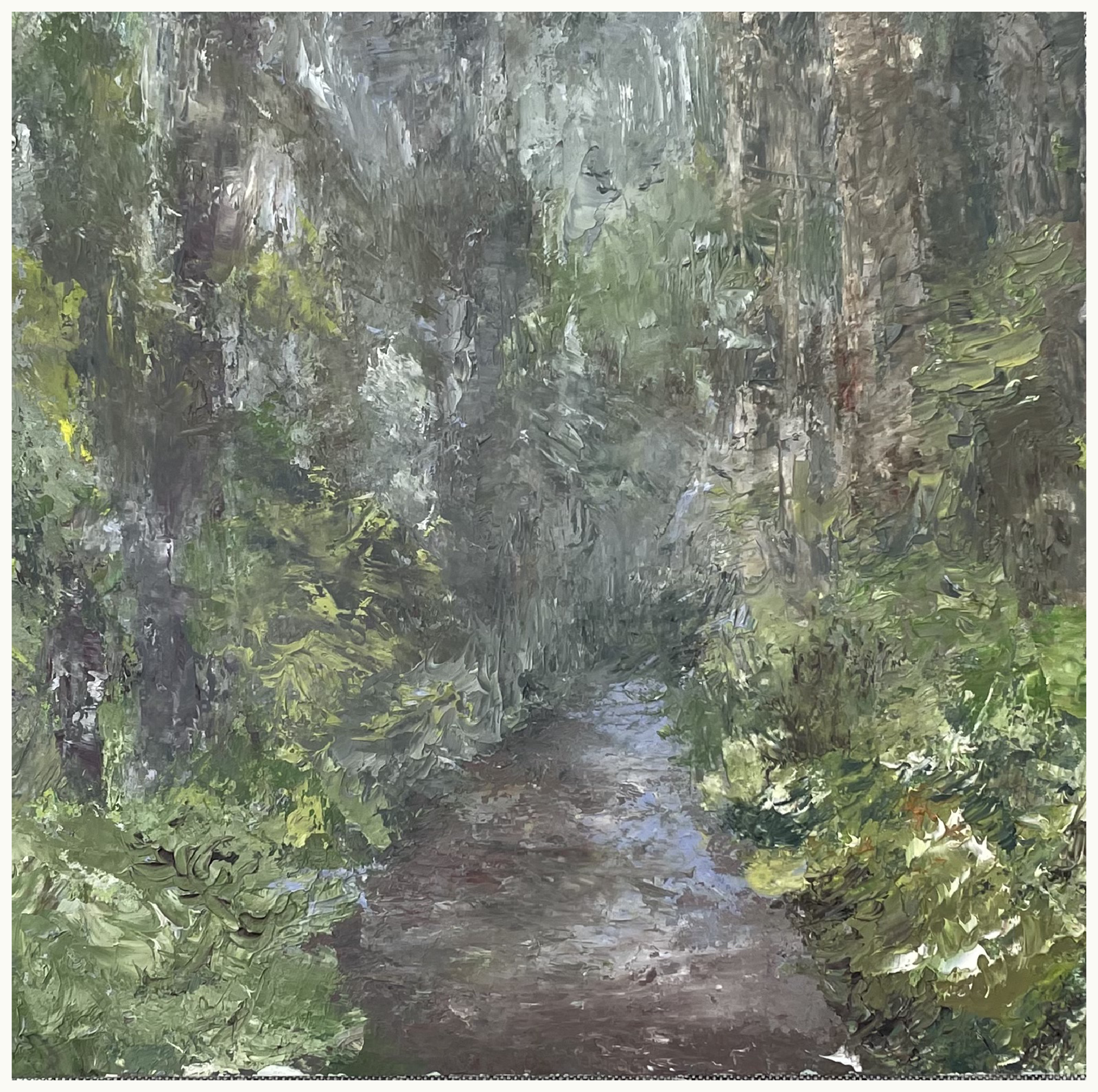
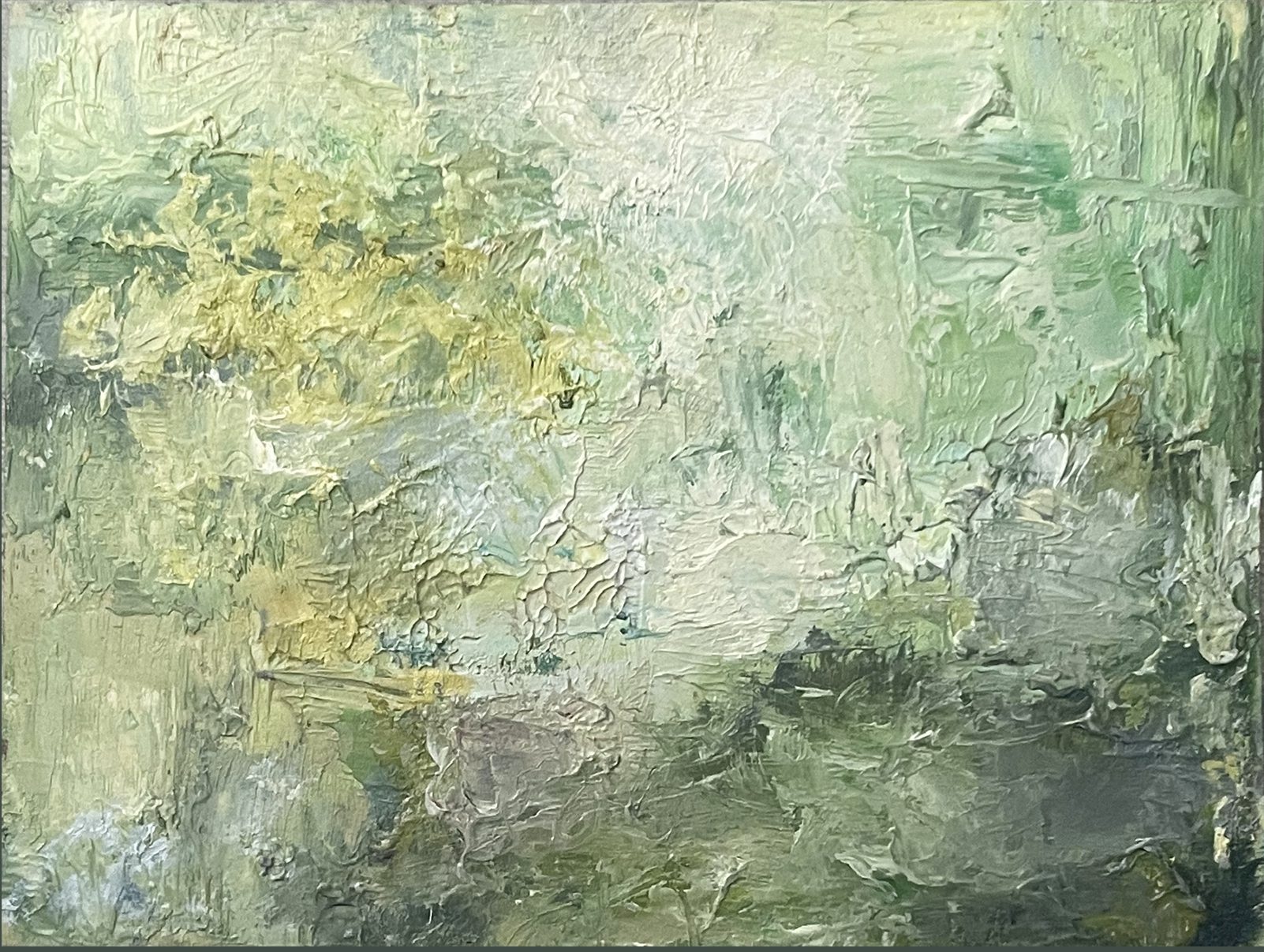
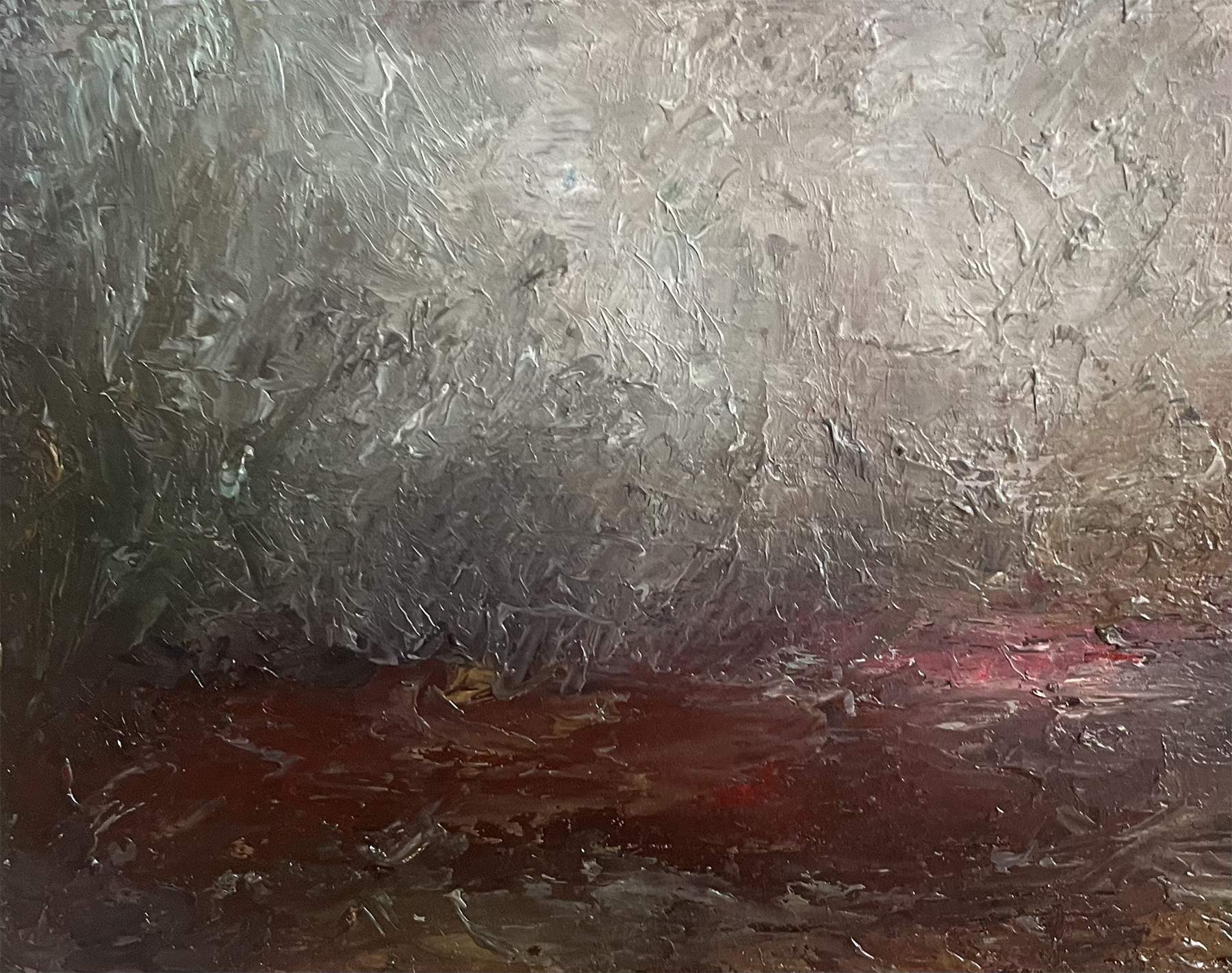
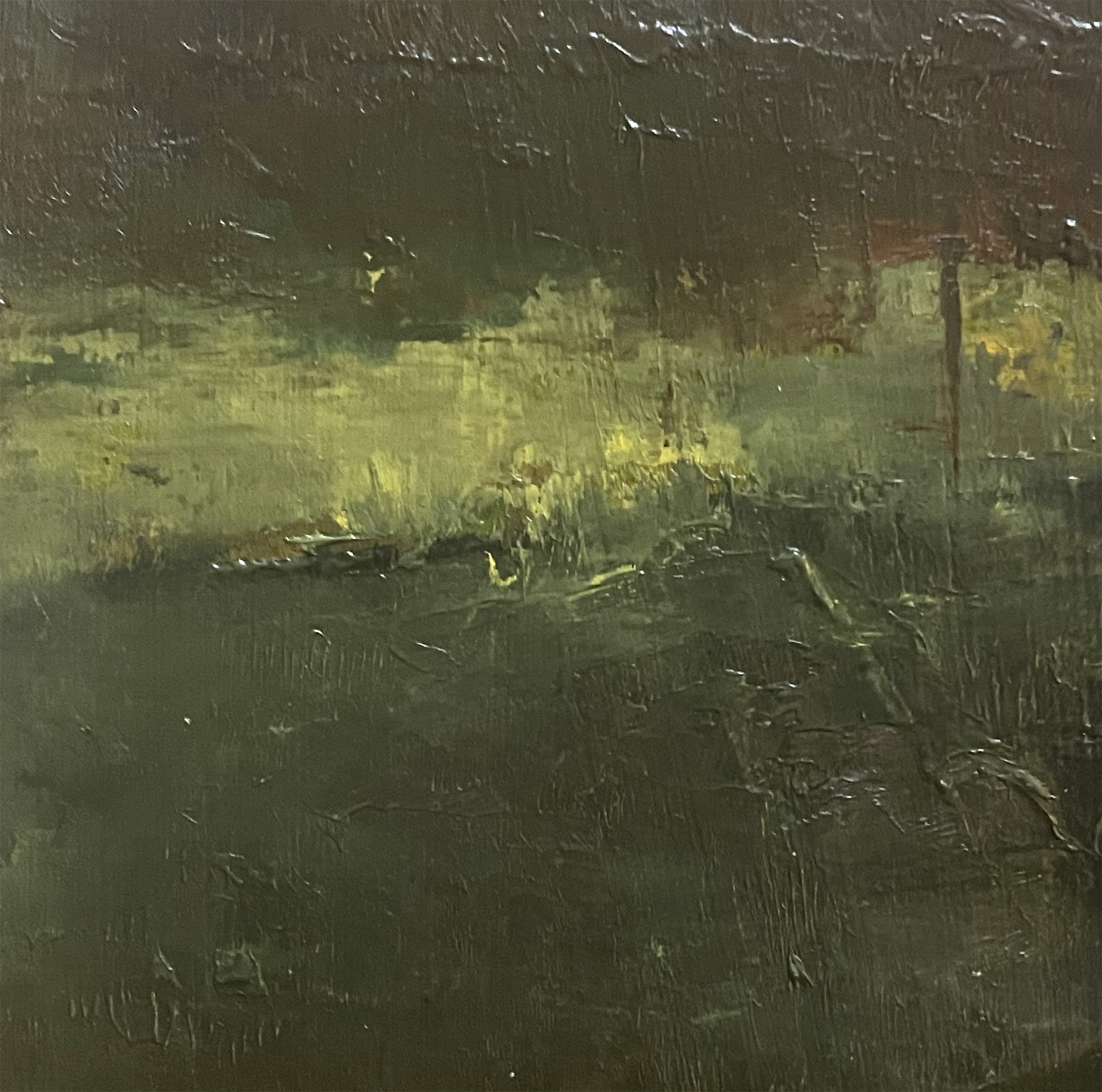



About the Hiraeth Series
The term hiraeth speaks to a universal human experience: the desire for a place of belonging, comfort, and peace that often feels just out of reach.
The landscapes in this series are not meant to depict a specific place. Instead, they suggest an emotional location shaped by memory, feeling, and imagination.
Through loosely rendered ponds, trees, grasses, and shifting light, the paintings reflect the way certain places continue to live within us. Nature becomes a vehicle for longing, holding a quiet tension between presence and absence, familiarity and distance.
Many of the works are small in scale, inviting close looking and quiet attention. Their size creates an intimate relationship between viewer and image, like holding a memory in the palm of the hand.
Through loose brushwork, layered color, and atmospheric natural forms, the Hiraeth oil paintings reflect how memory changes over time. They invite a personal connection rather than a fixed interpretation.
This body of work connects to Maria Maneos’s broader interest in landscape, identity, and emotional experience. Viewers interested in related paintings can also explore the Theme of Nature series and Female Stories series.
To learn more about the artist’s background and exhibitions, visit the About page or CV. For more context on the Welsh meaning of hiraeth, see this short explanation from University of Wales Trinity Saint David.